


On August 23, 1912, the United States Commission on Industrial Relations was founded. One of the most remarkable moments in American labor history, the USCIR (more popularly known as the Walsh Committee) forced industrial leaders to testify about the conditions of American labor in front of a government committee. For the first time in the nation’s history, the plutocrats, long used to running their operations without responsibility, were called onto the carpet in front of directly hostile committee members for their actions.
While the USCIR did not create specific reform bills, it did signify a changing tone in American labor and American society in general that took power away from the plutocrats and created government responsibility for the conditions of American workers.
The USCIR was created in response to the labor violence becoming more prevalent in the US by the early 1910s. In particular, the bombing of the Los Angeles Times building in 1910 by Ironworkers leadership angry about the paper’s anti-union owner Harrison Gray Otis, one of the most loathsome people in American history, finally got the government’s attention. It turns out that if you oppress workers enough, they might kill you.
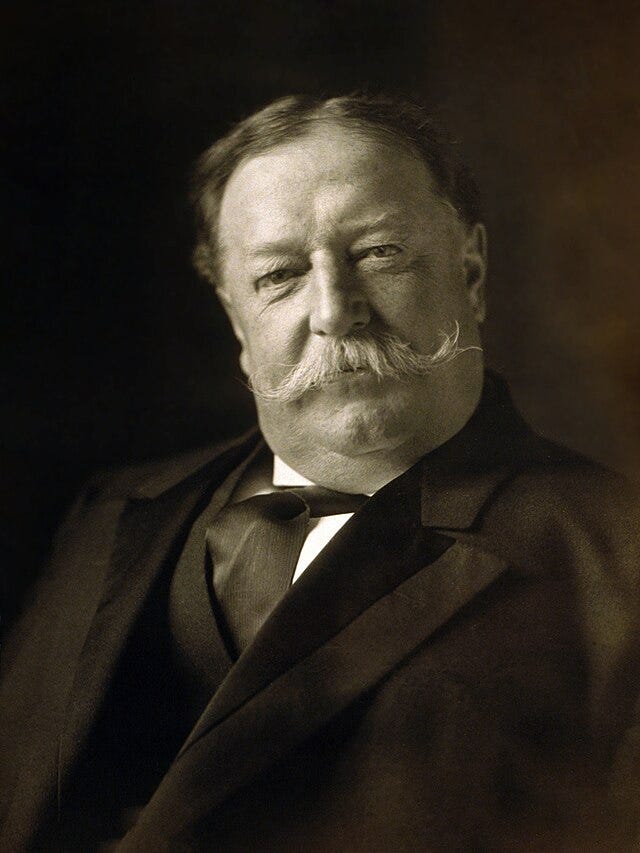
While President William Howard Taft created the USCIR it was mostly operated under the administration of Woodrow Wilson, a far more pro-labor president than the Republican. Most of the committee members were Wilson appointees after several of Taft’s nominees did not receive confirmation from the Senate. Had they, the commission would have been far more pro-business and probably less memorable.
The head of the committee was the remarkable Frank Walsh. A poor boy from Kansas City who dropped out of school at the age of 10, Walsh trained himself in the law and became a leading Progressive and Democratic Party operative in that city, attracting the attention of Wilson, who nominated him as the USCIR’s chairman. Between 1913 and 1915, the USCIR interviewed hundreds of people about the conditions of American work. Traveling the nation, it set up shop for a few weeks in a given city and did its best to cover all the major regional types of work. Investigators in the Northwest discovered stories about logging camp cooks infected with venereal disease and still allowed to prepare food, loggers beaten by owners and having their money stolen, and workers getting so sick from timber camp food that they could not work for weeks. No wonder the IWW was so successful organizing these workers.
One investigator writing about miners at U.S. Steel operations in Duluth detailed how the police, owners, and city leaders all conspired to crush a strike. Labor newspapers told these stories all the time, but never before had the government invested the resources to document the horrors committed against working people.
Said the groundbreaking journalist Walter Lippmann, “The nine members of the Industrial Relations Commission have before them the task of explaining why America, supposed to become the land of promise, has become the land of disappointment and deep-seated discontent.” Walsh encouraged people to criticize employers. Reformers such as Louis Brandeis testified as to moral corruptness of employers’ absurdly wide view of “freedom of contract,” noting how this led to the widespread exploitation of American labor. S. Josephine Baker, the child labor crusader, talked of how American corporations using child labor did not train those workers for any kind of future, dooming them to permanent poverty, “having entered adult life and are still earning a child’s wage.”
Labor leaders and even everyday workers testified about their conditions. But most famously, Walsh saw his role as a crusader for American workers. He alienated the capitalists quickly. After the Ludlow Massacre, he called John D. Rockefeller Jr. before his committee, and publicly humiliated the powerful man for his company thugs and indifference to workers’ lives. It didn’t help the capitalist that his PR man said that truth was “as the operators saw it.” The embarrassment led Rockefeller to push for company unionism, which for all its very real limitations was a concession.
Some capitalists did better in their testimony. When Andrew Carnegie testified, he openly lied about his role at Homestead, claiming he was out playing in Scotland when in fact he had ordered Henry Clay Frick to bust the union while he was away. When Walsh announced he would also investigate the South, Georgia Senator Hoke Smith led a charge to cut the USCIR budget by 75 percent. When the vote failed, Walsh directly targeted Georgia to stick it to Smith, holding some of his most pro-worker hearings in that state.
Not everyone on the committee was as pro-worker as Walsh, and his attacks upon the rich made many uncomfortable. This meant that as an institution, the USCIR was unable to fulfill its potential. The final report, issued in 1916, was actually three different reports prepared by different sections of the committee. The Walsh faction openly called for an industrial democracy. It called agricultural work, such as had led to the Wheatland Riot, “industrial feudalism in an extreme form.” The word “feudalism” was applied heavily throughout the report — to company towns, to the coal regions, to rural labor.
The response to the Walsh report was mixed. Labor publications and unions were ecstatic at the honest portrayal of the conditions of American workers. The Masses went so far as to call it, “The beginning of an indigenous American revolutionary movement.” Again, it’s worth noting here how out of character for American history the Walsh report and USCIR in general were that American radicals would see it in this light.
On the other hand, the president of the Pittsburgh Employers Association called for Walsh’s assassination, perhaps tongue in cheek, perhaps not. The majority report was written by the labor economist John Commons, which in a more typically Progressive manner than Walsh’s activism called for impartial labor boards rather than involving labor in politics, which reflected the belief of much of American labor during this period, including the American Federation of Labor.
The extent to which the USCIR really changed the nation is somewhat up for debate, but it’s likely that its findings fed the pro-labor Democratic platform in 1916. It’s worth remembering that even when considering the horrors of the Red Scare and the government suppression of the IWW in World War I, the Wilson administration was still by a significant margin the most pro-labor administration in American history before FDR. Granted that’s because every other president was abjectly horrible toward unions, but still.
Wilson would make alliance with Samuel Gompers during World War I to bring labor into the national planning for the war and the AFL saw significant gains during the war, however short-lasting they were. The Republican presidential nominee Charles Evans Hughes (and who doesn’t remember this exciting campaign!) ran against Wilson in 1916 based in part on what he saw was the waste of the USCIR, but to little effect. The more moderate Commons report would become influential in the welfare capitalism of the 1920s, which still provided gains of sorts for workers.
Walsh would later go on to become the co-chair of the National War Labor Board with William Howard Taft, where the two clashed over the former’s staunchly pro-union policies and abrupt manner with the capitalists. Walsh eventually lost Wilson’s favor over his other favorite cause — Irish nationalism. Nationalism of any kind that could negatively impact his British or French allies made Wilson very cranky. Among the people who tried to meet with Wilson at Versailles after World War I to press for his own nationalism in southeast Asia was a young man later known as Ho Chi Minh. After Wilson blew him off, Ho found another nation to be his mentor. And Americans never felt blowback from that ever again, that’s for sure.
You can read the final report and all the testimony, which is voluminous and a wonderful resource for labor historians of the period here. I used the timber testimony extensively in the first chapter of my book Empire of Timber: Labor Unions and the Pacific Northwest Forests. I am also in the very preliminary stages of preparing to write a book narrating the story of the entire commission. Maybe I will finish it, maybe I won’t, but I don’t mind mentioning it here. The shame of not finishing it will be more public now, which is more or less what motivates me to write. There’s not a general history of the commission, but lots of historians have used its testimony. I list a few of them in the further reading below.
FURTHER READING:
Thomas G. Andrews, Killing for Coal: America’s Deadliest Labor War
Troy Rondinone, The Great Industrial War: Framing Class Conflict in the Media, 1865-1950
Bruno Ramirez, When Workers Fight: The Politics of Industrial Relations in the Progressive Era, 1898-1916
Frank Tobias Higbie, Indispensable Outcasts: Hobo Workers and Community in the American Midwest, 1880-1930
Andrea Tone, The Business of Benevolence: Industrial Paternalism in Progressive America
The rich look at their greed as necessity and look at the poor's necessity as greed.
I'll take "things that never happened" for $500, Alex.
𝑇𝑟𝑢𝑚𝑝: 𝐴𝑓𝑡𝑒𝑟 𝑤𝑒 𝑑𝑜 𝑡ℎ𝑖𝑠, 𝑤𝑒 𝑤𝑖𝑙𝑙 𝑔𝑜 𝑡𝑜 𝑎𝑛𝑜𝑡ℎ𝑒𝑟 𝑙𝑜𝑐𝑎𝑡𝑖𝑜𝑛 𝑎𝑛𝑑 𝑚𝑎𝑘𝑒 𝑖𝑡 𝑠𝑎𝑓𝑒 𝑡𝑜𝑜. 𝐶ℎ𝑖𝑐𝑎𝑔𝑜 𝑖𝑠 𝑎 𝑚𝑒𝑠𝑠. 𝑇ℎ𝑎𝑡 𝑤𝑖𝑙𝑙 𝑝𝑟𝑜𝑏𝑎𝑏𝑙𝑦 𝑏𝑒 𝑜𝑢𝑟 𝑛𝑒𝑥𝑡 𝑜𝑛𝑒 𝑎𝑓𝑡𝑒𝑟 𝑡ℎ𝑖𝑠. 𝑇ℎ𝑒𝑦 𝑎𝑟𝑒 𝑠𝑐𝑟𝑒𝑎𝑚𝑖𝑛𝑔 𝑓𝑜𝑟 𝑢𝑠 𝑡𝑜 𝑐𝑜𝑚𝑒. 𝐴𝑓𝑟𝑖𝑐𝑎𝑛 𝐴𝑚𝑒𝑟𝑖𝑐𝑎𝑛 𝑙𝑎𝑑𝑖𝑒𝑠, 𝑏𝑒𝑎𝑢𝑡𝑖𝑓𝑢𝑙 𝑙𝑎𝑑𝑖𝑒𝑠 𝑎𝑟𝑒 𝑠𝑎𝑦𝑖𝑛𝑔 "𝑃𝑙𝑒𝑎𝑠𝑒 𝑃𝑟𝑒𝑠𝑖𝑑𝑒𝑛𝑡 𝑇𝑟𝑢𝑚𝑝, 𝑐𝑜𝑚𝑒 𝑡𝑜 𝐶ℎ𝑖𝑐𝑎𝑔𝑜, 𝑝𝑙𝑒𝑎𝑠𝑒."
That boy ain't right.